







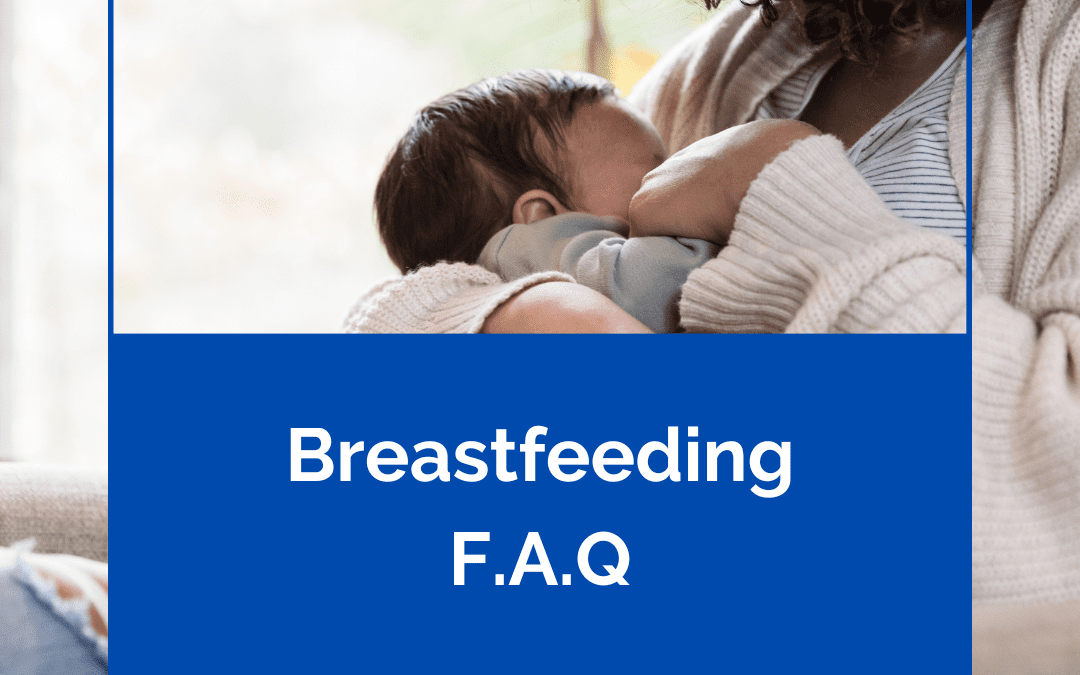
Breastfeeding can come with a lot of questions, especially in the first days and weeks after your baby is born. Here are answers to some common questions that may help as you get started.
If breastfeeding is natural, what is there to learn?
Breastfeeding is a natural process, but it is also a skill that you and your baby learn together. It can take time to become familiar with your baby’s feeding cues, find comfortable feeding positions, and learn what works best for both of you.
If breastfeeding feels challenging at first, that doesn’t necessarily mean something is wrong. Support from a healthcare provider or lactation professional can help you work through questions or concerns.
How Do I Know When My Baby Is Hungry?
Babies often show signs that they are hungry before they begin to cry. Early hunger cues may include bringing their hands to their mouth, turning their head toward the breast or bottle, licking or smacking their lips, or becoming more alert and active.
Learning to recognize your baby’s feeding cues can help you respond before they become upset. Crying is often a later sign of hunger.
Why Is My Newborn Up All Night Feeding?
Newborns have small stomachs and need to feed frequently, including during the night. In the early weeks, it is common for breastfed babies to feed 8 to 12 times in a 24-hour period.
Frequent breastfeeding also helps stimulate your milk supply. Some babies may have periods of “cluster feeding,” when they want to nurse more frequently over several hours.
If you have concerns about how often your baby is feeding, whether your baby is getting enough milk, or your baby’s weight gain, talk with your pediatrician or a lactation professional.
Is Pain While Breastfeeding Normal?
Some tenderness or sensitivity can occur when you first begin breastfeeding, but ongoing or severe pain should not be ignored. Breastfeeding pain can have several causes, including problems with your baby’s latch or positioning, engorgement, blocked milk ducts, or infection.
If breastfeeding is painful, your nipples are cracked or bleeding, or you have concerns about feeding, talk with your healthcare provider or a lactation professional. They can help identify the cause and recommend ways to make breastfeeding more comfortable.
Need Breastfeeding Support?
Breastfeeding can take time to learn, and questions along the way are normal. If you have concerns about breastfeeding or your baby’s feeding, talk with your healthcare provider, your baby’s pediatrician, or a lactation professional.
Daybreak LifeCare Center is also here to provide support and resources as you navigate pregnancy and parenting.
Sources
Breastfeeding Your Baby.
American College of Obstetricians and Gynecologists (ACOG).
https://www.acog.org/womens-health/faqs/breastfeeding-your-baby
What to Expect While Breastfeeding.
Centers for Disease Control and Prevention (CDC). April 16, 2026.
https://www.cdc.gov/infant-toddler-nutrition/breastfeeding/what-to-expect-while-breastfeeding.html